

Budget-Friendly Fun: 10 Creative Ways to Entertain Yourself While Traveling Cheaply
Traveling doesn't always necessitate a hefty budget; in fact, some of the most profound and memorable experiences often arise from discovering ingenious ways to enjoy a destination without significant financial outlay. This article delves into the art of budget-friendly entertainment while journeying, challenging the notion that fun must come at a high cost and revealing how resourcefulness can unlock unique adventures.
The landscape of travel has evolved dramatically, with a growing emphasis on authentic, experiential journeys over lavish, curated vacations. Budget travel, once seen as a niche for backpackers, has become a mainstream phenomenon, valued by individuals seeking sustainable experiences and deeper cultural immersion. It empowers a broader demographic to explore the world, fostering adaptability, problem-solving skills, and a greater appreciation for simple pleasures. From digital nomads extending their stays to families seeking affordable getaways, the ability to entertain oneself cheaply is paramount. Current developments in travel technology, like apps for local events or free walking tours, highlight this trend. What impact would it have on our understanding or practice of travel if we failed to fully comprehend the immense value of creative, low-cost entertainment? It would undoubtedly diminish the accessibility and richness of exploration for countless aspiring adventurers.
Embrace Local Culture, Frugally

Immerse Yourself: Free Festivals, Markets, and Genuine Interactions
One of the most enriching and cost-effective ways to entertain yourself while traveling is to dive headfirst into the local culture. This doesn't require expensive tours or museum tickets, but rather an open mind and a willingness to explore public spaces. Seek out free local events such as community festivals, parades, or open-air concerts, which are often listed on local tourism board websites or community bulletin boards. These events offer an unfiltered glimpse into the heart of a destination’s traditions and spirit, providing vibrant entertainment through music, dance, and communal celebrations. For instance, wandering through a bustling street market (like those found in Marrakech or Hanoi) allows for fascinating people-watching, sensory overload (the sights, sounds, and smells!), and even friendly bartering, all without the obligation to purchase. You can sample free tasters, observe daily life, and soak in the atmosphere. Engaging with locals—whether it's striking up a conversation with a vendor, joining a spontaneous street game, or simply observing their routines—provides invaluable insights and creates authentic, unforgettable memories. These interactions cost nothing but curiosity and can lead to invitations to local gatherings or recommendations for hidden gems. The true essence of a place often resides in its everyday rhythm, freely accessible to all.
Nature's Playground: Adventures Without a Price Tag
Hiking Trails, Scenic Views, and Stargazing: The Great Outdoors
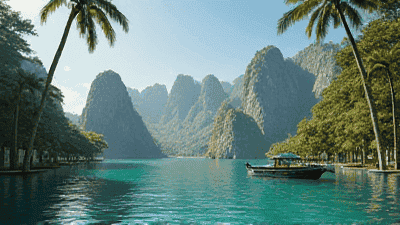
The natural world offers an unparalleled array of entertainment options that are inherently budget-friendly, often completely free. Hiking is a prime example; most national parks and public lands provide extensive networks of trails accessible to anyone, offering breathtaking scenic views and opportunities for physical activity (trekking, rambling). These trails range from easy strolls to challenging climbs, catering to all fitness levels. Consider the iconic pathways of Yosemite National Park in the US, where vistas like El Capitan or Half Dome can be admired from various free viewpoints. Beyond hiking, simply finding a beautiful park for a picnic, relaxing on a public beach, or seeking out a dark sky area for stargazing are profoundly rewarding experiences. Stargazing, in particular, requires only a clear night sky and perhaps a blanket, transforming the vast cosmos into your personal planetarium. These activities not only provide entertainment but also offer a chance for rejuvenation and a deep connection with the environment. Always check local regulations for safety and conservation before embarking on outdoor adventures, ensuring a responsible and enjoyable experience. The joy of these experiences often lies in their simplicity and accessibility.
Understanding the stark difference between free and paid outdoor activities can significantly impact a travel budget. Below is a comparison highlighting common choices:
| Activity Type | Free Option | Paid Option | Cost Difference |
|---|---|---|---|
| Sightseeing | Public park strolls (e.g., Central Park) | Guided city bus tours (e.g., London hop-on) | Significant |
| Nature Exploration | Local hiking trails, public beaches | Guided adventure treks, private boat tours | Moderate-High |
| Cultural Immersion | Street markets, free festivals | Museum entry, cooking classes | Varies |
| Wildlife Viewing | Birdwatching in public reserves | Safari tours, zoo admission | High |
As the table illustrates, opting for free alternatives can dramatically reduce travel expenses while still delivering rich, immersive experiences. For example, instead of paying for a zoo ticket, one can visit local parks or nature reserves to observe native wildlife in its natural habitat, often yielding more authentic encounters. This shift in perspective allows travelers to prioritize experience over expenditure.
Creative Pursuits and Digital Detoxing

Journaling, Sketching, and Storytelling: Engaging Your Mind
Beyond physical activities and cultural immersion, budget travel provides an excellent opportunity for creative engagement and a much-needed digital detox. Engaging your mind with introspective and artistic pursuits can transform idle moments into enriching experiences. Travel journaling, for example, is a powerful way to process observations, reflect on encounters, and preserve memories. All it requires is a notebook and a pen (penmanship, script). Similarly, sketching or drawing the scenes around you – be it a bustling square, a serene landscape, or an interesting architectural detail – hones observational skills and provides a unique keepsake. You don't need to be an artist; the act of creation itself is the reward. Photography, even with a smartphone, becomes a free art form when focusing on composition and lighting rather than expensive gear. Writing postcards to loved ones (even if they're digital "postcards" in a letter format) can be a thoughtful, low-cost way to connect and reflect on your journey. These activities encourage mindfulness, slow travel, and a deeper connection with your surroundings, offering hours of entertainment and personal growth without spending a dime. They foster a sense of presence, turning passive observation into active participation.
Conclusion
The journey through "Budget-Friendly Fun: 10 Creative Ways to Entertain Yourself While Traveling Cheaply" has illuminated a fundamental truth: travel enrichment is not contingent upon financial extravagance. We’ve explored how embracing local culture through free festivals and markets, harnessing the boundless offerings of nature, and engaging in creative, introspective pursuits like journaling or sketching can unlock profound and memorable experiences. These approaches emphasize that resourcefulness, curiosity, and an open mind are far more valuable assets than a bulging wallet. By seeking out genuine interactions, immersing ourselves in natural beauty, and fostering personal creativity, travelers can craft deeply satisfying adventures that are both accessible and sustainable. The true value lies in the authenticity of experience, the personal growth derived from overcoming challenges, and the unique memories forged from unconventional entertainment.
Looking ahead, the future of travel will undoubtedly continue to prioritize experiences that are both impactful and environmentally conscious. Macro scientific policies promoting sustainable tourism and technological iterations offering real-time information on local, free events will further empower budget-conscious travelers. The interdisciplinary integration of community engagement platforms and shared economy services will foster new avenues for affordable exploration and cultural exchange. Challenges remain, such as ensuring equitable access to these resources and managing the potential for over-tourism in newly discovered "budget-friendly" locales. However, the continuous pursuit of creative, low-cost entertainment options reinforces the importance of adaptability and innovation in travel. This ongoing quest for meaningful experiences without financial strain will continue to shape how we explore the world, making travel a more inclusive and personally enriching endeavor for all.
Frequently Asked Questions (FAQ)

Q: How can I find truly free activities in a new city without relying on tourist traps or potentially unsafe areas? A: Finding genuinely free and enriching activities in a new city requires a blend of proactive research and local awareness. Start by consulting official city tourism websites, but don't stop there. Look for "local events" or "community calendar" sections on city government websites, university community boards, or local news outlets online. These often list free concerts, art exhibitions, public lectures, farmers' markets, or cultural festivals that are authentic and frequented by residents, not just tourists. Utilizing apps like Meetup or Couchsurfing can connect you with local groups organizing free activities, such as walking tours led by volunteers, language exchange meetups, or community sports. Public parks and libraries are often hubs for free events and offer quiet spaces for relaxation or reading. Regarding safety, stick to well-lit, populated areas, especially when exploring alone. Before venturing out, use online maps (like Google Street View) to get a sense of the neighborhood and read reviews from other travelers or locals. Always trust your intuition; if an area feels uncomfortable, it’s wise to avoid it. Engaging with hostel staff or local shopkeepers for recommendations can also uncover hidden gems and provide insights into safe zones, offering a more authentic experience than generic tourist information.
Q: Isn't traveling cheaply often less safe or less comfortable compared to more expensive options? A: The perception that cheap travel inherently equates to less safety or comfort is a common misconception, often rooted in historical narratives or isolated incidents. In reality, smart, budget-conscious travel can be just as safe and comfortable, if not more so, by fostering a heightened sense of awareness and resourcefulness. Safety on a budget often comes down to meticulous planning and informed choices. For accommodation, instead of expensive hotels, budget travelers might opt for highly-rated hostels, guesthouses with excellent security reviews, or reputable Airbnb hosts. Public transportation, while cheaper, can be very safe and efficient in many parts of the world; research routes and schedules beforehand. Carrying less valuable luggage, keeping a low profile, and being aware of local customs and potential scams are universal safety practices, regardless of budget. Comfort, similarly, is subjective and can be prioritized even when spending less. This might mean investing in a high-quality, lightweight sleeping bag if camping, choosing a hostel with private rooms or strong air conditioning if preferred, or packing smart to ensure personal essentials are met. Often, the discomfort associated with cheap travel stems from a lack of research or unrealistic expectations, rather than an inherent flaw in the budget approach itself. Many budget travelers find immense comfort and joy in the freedom and flexibility that comes from not being tied to rigid, expensive itineraries.